


Exploring the psychology behind casino games
The Allure of Chance
The innate human attraction to risk and chance plays a significant role in the popularity of casino games. From a psychological standpoint, engaging in games of chance allows individuals to experience a thrill that is often absent in their daily lives, particularly when they explore casino online options. This excitement can activate the brain’s reward system, releasing dopamine and creating feelings of pleasure. The anticipation of winning, even if the odds are against them, keeps players invested, as the emotional highs and lows create a rollercoaster experience that is hard to replicate elsewhere.
Moreover, the uncertainty involved in gambling mirrors other life experiences where outcomes are unpredictable. This element of chance resonates with individuals’ desires for control amid life’s uncertainties. The psychological phenomenon known as “the gambler’s fallacy” plays a role here, where players believe that previous outcomes influence future results. This false logic can result in prolonged gaming sessions, as the player becomes trapped in a cycle of hoping that their next bet will finally yield that sought-after win.
Additionally, casinos are designed to amplify this allure of chance. With vivid colors, engaging sounds, and enticing lighting, they create an environment that heightens excitement. The architecture of casinos often lacks windows and clocks, aiming to make players lose track of time, thus prolonging their engagement. This strategic design not only draws people in but also keeps them immersed in the thrill of potential winnings, making the very act of gambling a compelling psychological experience.
The Psychology of Loss
The psychology of loss in gambling is complex and multifaceted. Many players experience a phenomenon known as “loss aversion,” where the pain of losing is felt more acutely than the pleasure of winning. This principle suggests that the negative emotions associated with losing a bet can lead players to chase their losses, hoping to recoup their investments. This behavior often results in even greater losses, creating a vicious cycle that is challenging to break. The emotional turmoil from loss can overshadow rational decision-making, compelling players to continue playing despite significant setbacks.
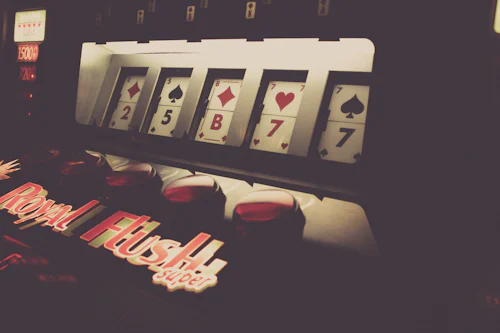
In addition to loss aversion, casinos often employ strategies such as “near misses” to manipulate psychological responses. For example, when a player nearly wins, they may experience a surge of hope, which can motivate them to keep playing. This tactic exploits the brain’s wiring to seek rewards, reinforcing the idea that a win is just around the corner. The emotional rollercoaster created by such experiences makes it difficult for players to walk away, perpetuating the cycle of risk and reward.
Understanding the psychology of loss is also crucial for casinos in managing player behavior. Many establishments offer responsible gambling programs that aim to counteract the negative impacts of loss. By creating awareness about the emotional and financial toll that gambling can have, casinos are working to ensure that players can enjoy their experiences without falling into unhealthy patterns. This balance of excitement and responsibility reveals the deeper psychological complexities of how players interact with games of chance.
The Role of Social Interaction
Social interaction is an essential aspect of the casino experience, contributing significantly to the psychological appeal of gambling. Many players enjoy the camaraderie found in shared gaming experiences, whether it’s chatting with fellow players at a poker table or cheering together at a slot machine. This social dimension fosters a sense of belonging and makes the gambling experience more enjoyable. Casinos often encourage this interaction by organizing tournaments and events that bring people together, highlighting the social nature of gaming.
Moreover, social factors can impact decision-making processes during gambling. Players may be influenced by their peers’ behaviors, potentially leading to riskier bets or choices in game strategies. This social comparison can lead individuals to either elevate their bets to match others or to withdraw if they feel less confident in their skills. The dynamics of social pressure illustrate how group behavior can significantly affect individual psychology within the gambling context.
Additionally, the rise of online casinos has transformed social interaction in gambling. Virtual social spaces allow players to connect and compete with others worldwide, creating a new layer of engagement. Gamers can share strategies, celebrate wins, and support each other through losses, adding to the community aspect of their experience. This evolution underscores the essential role of social interaction in gaming psychology, demonstrating how connections between players enrich the overall gambling experience.
The Impact of Environment
The environment of a casino is meticulously crafted to enhance the psychological experience of gaming. From the moment players enter, they are enveloped in a carefully designed atmosphere characterized by vibrant colors, enticing sounds, and pleasant aromas. These elements work together to create a sensory experience that captivates players and keeps them engaged. The ambiance is strategically constructed to encourage players to spend more time within the premises, contributing to increased gaming activity.

Studies have shown that different environmental factors can impact mood and behavior significantly. For instance, the use of upbeat music can heighten excitement levels, while softer lighting can create a more relaxed vibe, allowing players to settle in for longer sessions. Additionally, the placement of games within the casino can influence players’ decisions; high-stakes games are often situated in areas that are easily accessible, encouraging participation from passersby. This intentional environmental design reflects an understanding of psychological triggers and how they affect players’ experiences.
Furthermore, the absence of windows and clocks in many casinos is intentional, as these design elements prevent players from keeping track of time. This creates an immersive experience that can lead to extended gaming sessions, as players become lost in the thrill of the moment. Such a calculated environment reveals a deep understanding of human psychology, emphasizing how physical space and emotional engagement intertwine to shape the gambling experience.
Understanding Responsible Gaming
As the psychological intricacies of gambling become clearer, the conversation around responsible gaming grows increasingly important. Understanding how psychological factors influence behavior can empower players to make informed decisions about their gaming habits. Many casinos are now implementing responsible gaming strategies, such as providing resources about gambling addiction and promoting self-exclusion programs. These initiatives are designed to help players recognize the signs of problematic gambling and take action before it escalates.
Player education is a key component of responsible gaming. Casinos are beginning to offer tools that allow individuals to set limits on their time and money spent while gambling. By fostering awareness of personal gambling patterns and promoting self-discipline, players can cultivate healthier relationships with gambling activities. Educational campaigns can help shift perceptions about gambling, emphasizing enjoyment rather than a means to achieve financial gain.
Furthermore, as the gambling landscape evolves, online platforms have made strides in promoting responsible gaming. These sites provide players with access to information about the psychological effects of gaming and offer features to track spending and gaming time. This approach illustrates a growing commitment to ensuring that gaming remains a form of entertainment without compromising player well-being. Ultimately, understanding the psychological aspects of gambling can contribute to a more balanced and responsible approach to gaming.

